February 25, 2026 / biostate.AI
From Signals to System-Level Biology
Dear Biostate AI investors, followers, and collaborators,
We’re starting with something incredible — a biomedical foundation AI system called N-Act. But building AI for biology starts with a fundamental question: What kind of data do we use to train our AI?
For us, the answer begins with RNA sequencing from human blood samples — a real-time snapshot of what’s actually happening inside the body.
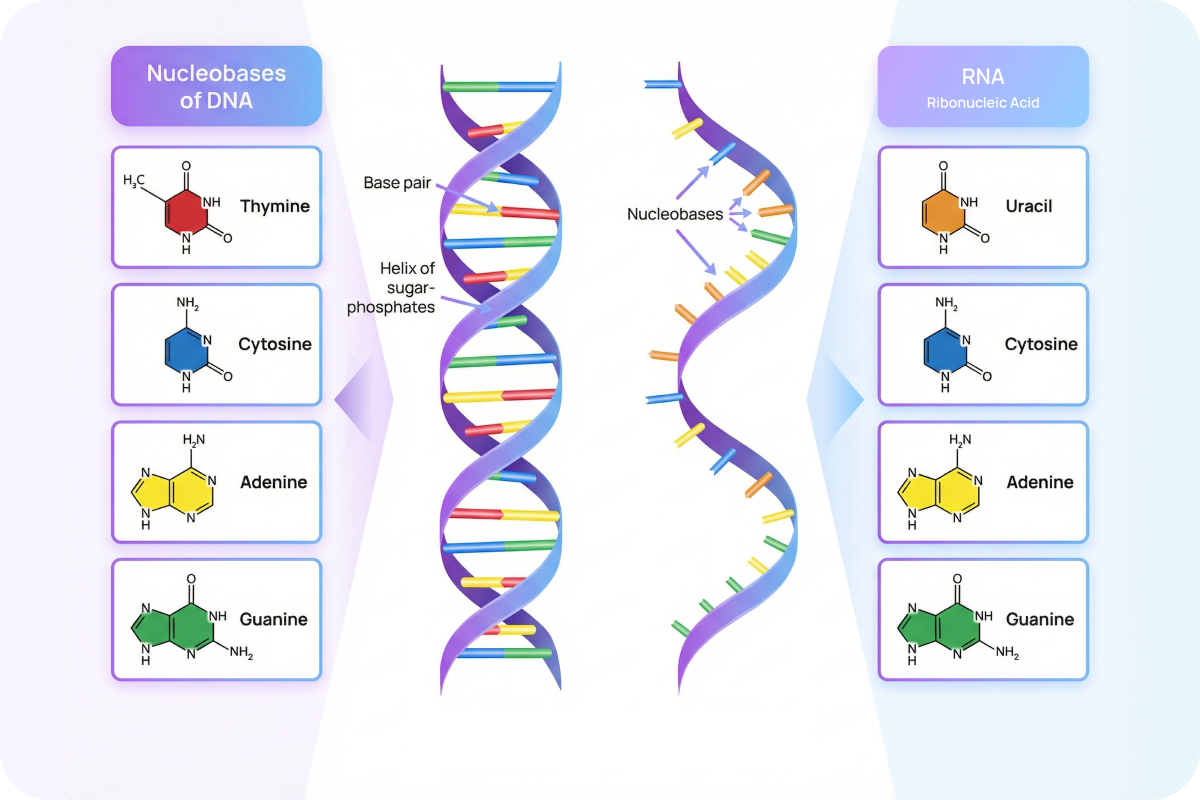
A simple way to understand this is to look at the relationship between DNA and RNA. Your DNA is the blueprint you’re born with and doesn’t usually change, while RNA decodes the blueprint and sends out messages to the rest of the body. The message contains information about cell activities which we could take advantage of, to understand the body conditions on a comprehensive level.
When you visit a doctor, they usually measure a panel of maybe 50 to 100 biomarkers such as cholesterol, glucose, or liver enzymes. These tests are useful, but they only show a small slice of the picture.
From Signals to System
However, RNA sequencing lets us look much deeper. We can measure the activity of more than 20,000 genes and over 100,000 regulatory molecules at the same time. Instead of checking a few signals, we can see patterns across the entire system and understand how biology is functioning in real time.
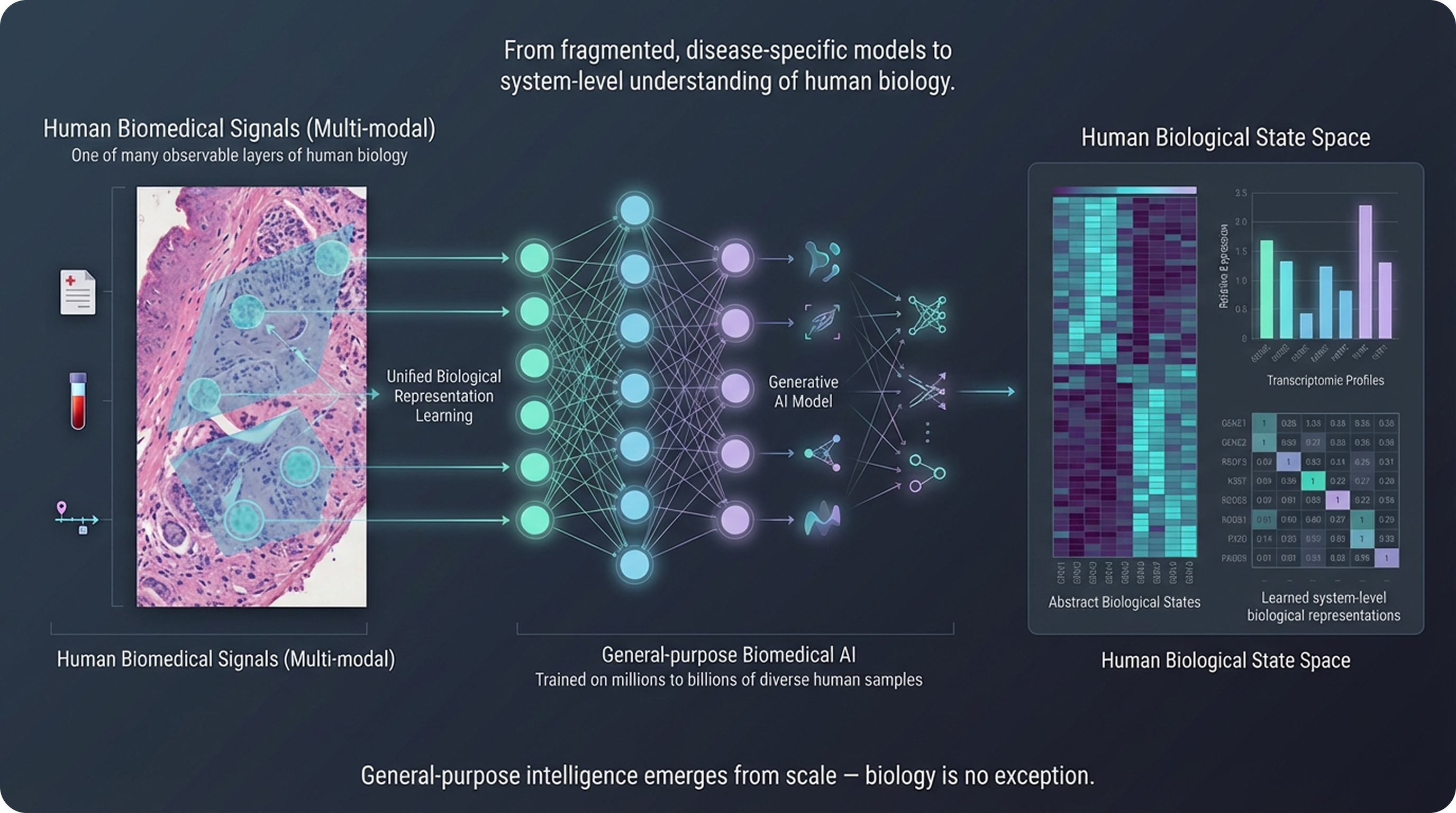
And this is just the starting point. Over time, we plan to add additional layers of biology, including DNA methylation(which reflects how your genes are being regulated), proteomics(direct protein measurement at larger scale), and metabolomics(small molecules produced by cellular processes). Each of these brings another perspective on how the body is regulated and how disease develops.
The long-term goal is to build a more complete, dynamic view of human health by combining these layers together, rather than relying on a single snapshot.
Thank you for being part of this journey. Simply reply to this email if you would like to talk.
Best regards,
The Biostate AI Team